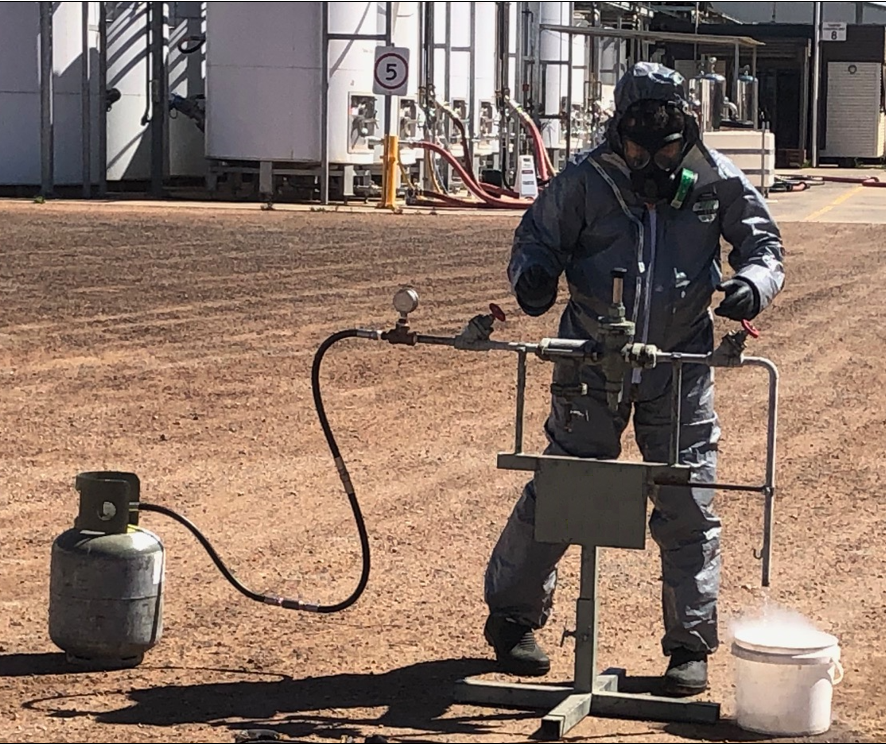
Ammonia is a chemical compound. It is composed of nitrogen and hydrogen. People recognise it by its sharp, pungent smell. Ammonia is a naturally occurring substance released during the decomposition of organic matter such as animal waste and decaying plants. Ammonia exists as a colourless gas under normal conditions. It evaporates rapidly when exposed to the air.
Different forms of ammonia are present: Compressed gas, a flammable gas, highly toxic, and corrosive. Moreover, it is widely used in various industrial and commercial sectors. Despite its essential role in agriculture and manufacturing, ammonia is considered an extremely hazardous substance. It poses severe health risks at high concentrations. So, the sectors using ammonia require ammonia safety awareness.
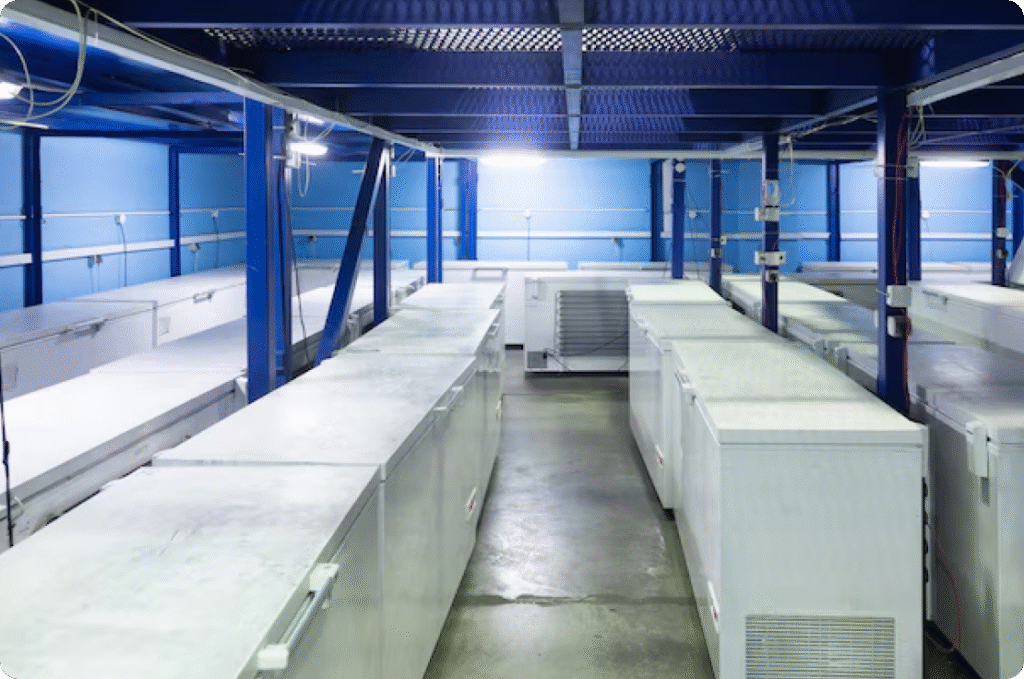
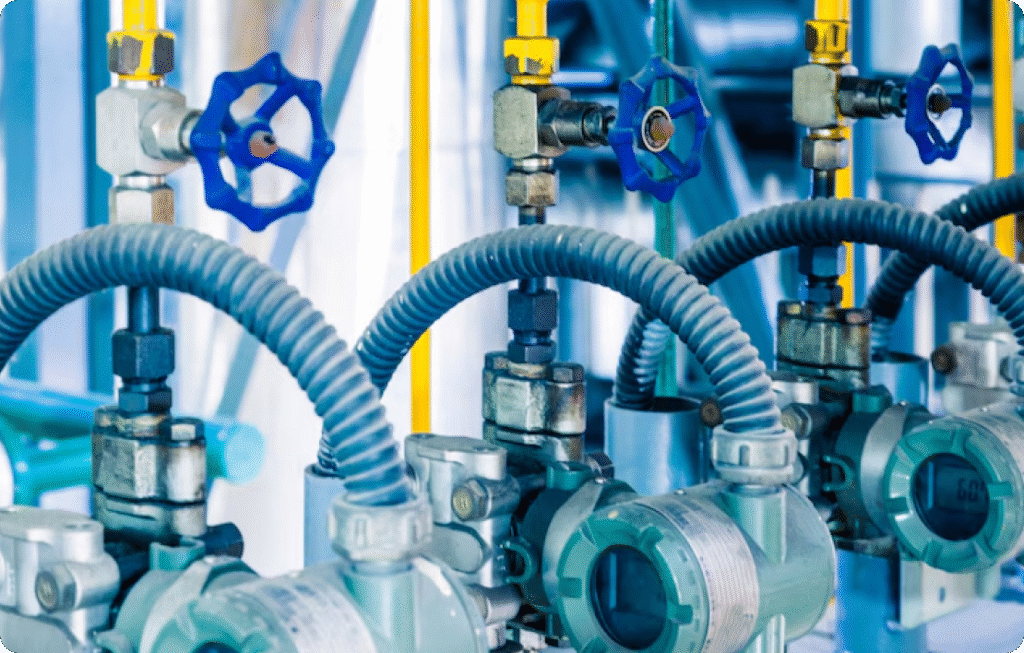
It is crucial for the formation of DNA, RNA, and proteins, making it essential for life. People use it in agriculture as a fertiliser. It provides plants with the nitrogen for growth. You can also apply it to the soil or use it in the production of fertilisers that contain ammonium salts. In addition, industrialists use it in manufacturing synthetic fibres, plastics, explosives, and household cleaning products.
Most importantly, ammonia is present in air, water, and soil. But it is harmless as it occurs in low concentrations. Besides, mammals, including humans, produce ammonia as a by-product of normal metabolic processes. However, the problem arises when you overuse or overproduce ammonia. Despite its risks, ammonia plays a vital role in the ecosystem and human industries.
So, ammonia is in rising demand for its multi-purpose uses. But it necessitates strict safety measures, such as ammonia safety audits in regions like New South Wales (NSW), Victoria (VIC), Queensland (QLD), South Australia (SA), Western Australia (WA), Tasmania (TAS), Australian Capital Territory (ACT), Northern Territory (NT).
The dangers of ammonia become most apparent when people are exposed to it in high concentrations. Due to its alkaline and corrosive properties, ammonia can cause immediate harm upon contact. Inhalation of ammonia gas at dangerous levels leads to a burning sensation in the throat, nose, and respiratory tract.
If exposure continues, this irritation can quickly escalate to further serious conditions such as respiratory distress or failure, which can be fatal. Even though ammonia’s strong odour can alert people to its presence, there is a risk of olfactory fatigue. In this case, the sense of smell becomes desensitised. It may cause someone to underestimate ongoing low-level exposure.
According to the Occupational Safety and Health Administration (OSHA), ammonia is considered a significant health hazard, with exposure levels above 300 parts per million (ppm). It causes immediate harm to life and health, and necessitates ammonia emergency response plans in NSW. Ammonia is also flammable when its concentration in the air is between 15 and 28 per cent by volume, further increasing its potential risk in enclosed or poorly ventilated areas.
Contact with ammonia doesn’t just harm the respiratory system. Also, it severely affects the skin and eyes. Upon exposure, ammonia reacts with moisture in the body to form ammonium hydroxide, a compound that causes chemical burns. Don’t take these burns for granted, since they result in lasting damage, such as permanent blindness or chronic lung conditions. On the other hand, ingesting ammonia is rare. But when it happens, it leads to significant internal burns to the mouth, throat, and stomach.
Despite the severity of these health hazards, effective treatments are available if you can address the exposure as soon as possible. Here, ammonia emergency response plans in NSW excel. The most immediate and critical step is to decontaminate affected areas by flushing the skin or eyes with plenty of water. In cases of inhalation, it is important to move the person to fresh air.
At the same time, avoid any physical exertion that could exacerbate breathing difficulties. Medical treatment may include the administration of humidified oxygen, bronchodilators to open airways, and airway management procedures. If someone swallows ammonia, small amounts of milk or water may help dilute the chemical. Still, professional medical attention is necessary.
To minimise the risks associated with ammonia, proper handling and storage practices are vital in workplaces where employees may face routine exposure. Industries should store ammonia in cool, dry environments, away from heat, direct sunlight, and incompatible substances. Though it is not considered highly flammable on its own, the containers of ammonia can explode due to the high heat exposure. Therefore, it is essential to keep ammonia away from ignition sources. Workplace safety depends on employee awareness and ammonia safety training.
You must equip your workers handling ammonia with personal protective equipment. For example: Chemical-resistant gloves, goggles, aprons, boots, and a self-contained breathing apparatus. Employers are responsible for maintaining the functionality of this equipment and for enforcing safety procedures, like ammonia breakdown support. In the event of a leak or spill, no one should attempt to manage the situation alone. So, refrigeration plant operators should appoint emergency response teams trained in hazardous waste operations. They can handle the incident in a safe manner.
Ultimately, the key to preventing ammonia-related incidents lies in education and preparedness. It is important to ensure the workers receive proper training, such as through HAZWOPER (Hazardous Waste Operations and Emergency Response) courses. Thus, industries can reduce the likelihood of accidents, and their employees know how to act with ammonia emergency response plans in NSW. Ammonia is a vital compound as well as a potentially dangerous chemical. With the right precautions, training, and respect for its properties, Easy Chill Services will help you harness its benefits while minimising its risks. Stay tuned with us to learn more.
At Easy Chill Services, we deliver high-performance industrial refrigeration…
At Easy Chill Services, we believe that knowledge is the first line of defence when working with hazardous…
In facilities using ammonia refrigeration systems, preparedness is critical. At Easy Chill Services…
Ensuring the safe operation of ammonia refrigeration systems requires more than just proper equipment—it demands regular, expert evaluation…
Schedule your expert service or consultation with our refrigeration specialists today.
Our expert team is committed to delivering reliable and efficient solutions that ensure optimal system performance in every industrial plant.
Feel free to reach out to us anytime for any concerns regarding ammonia training or the industrial refrigeration system. Good luck!